The Land
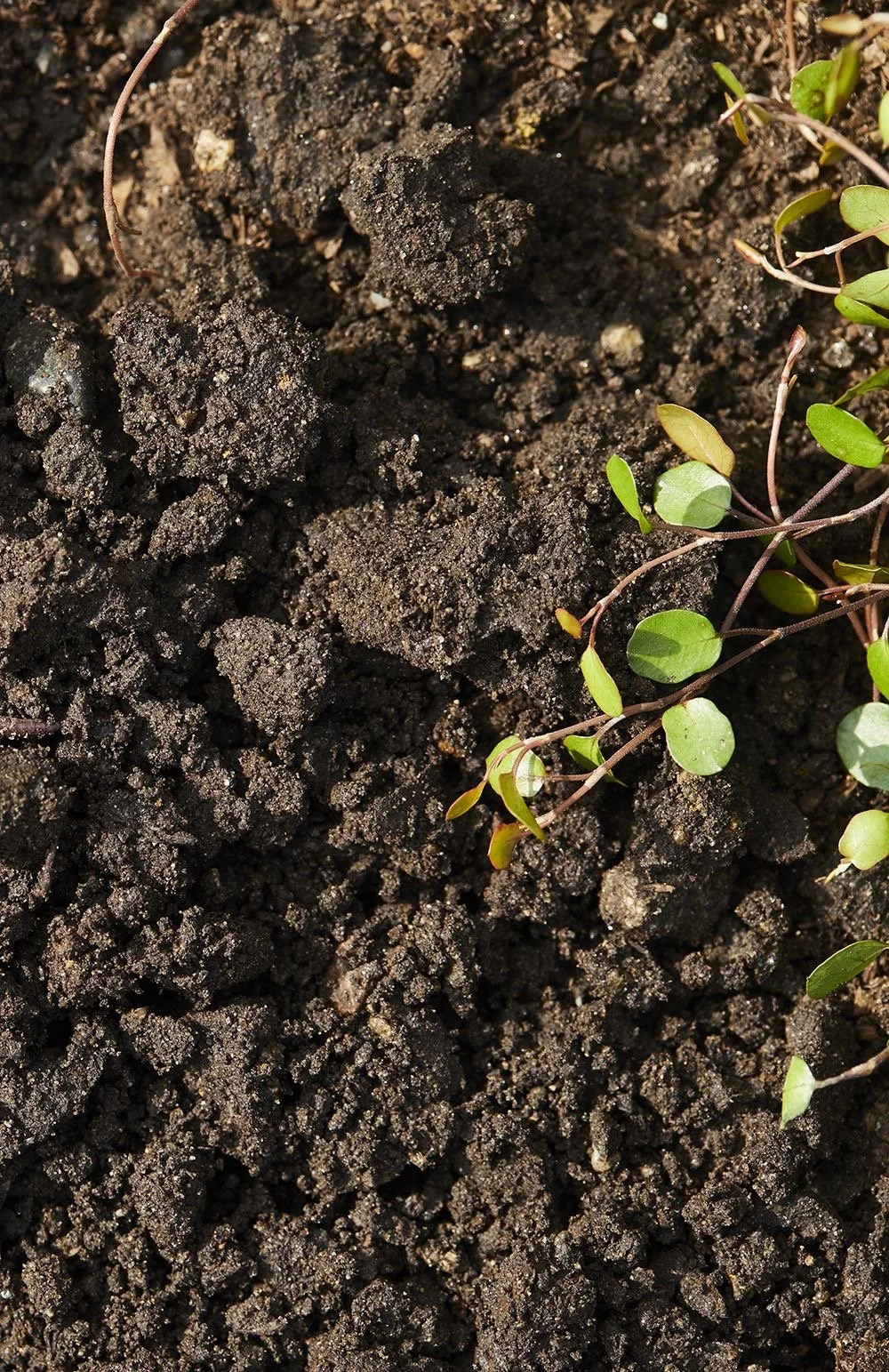
Indonesia’s coffee grows in one of the most biodiverse agricultural landscapes in the world. Across the archipelago, centuries of volcanic activity have created deep, mineral-rich soils that support dense ecosystems of plants, insects, microorganisms, and forests. These dark volcanic soils—formed from layers of ash and weathered rock—hold water well, store nutrients, and allow coffee trees to develop slowly in balanced, living environments.
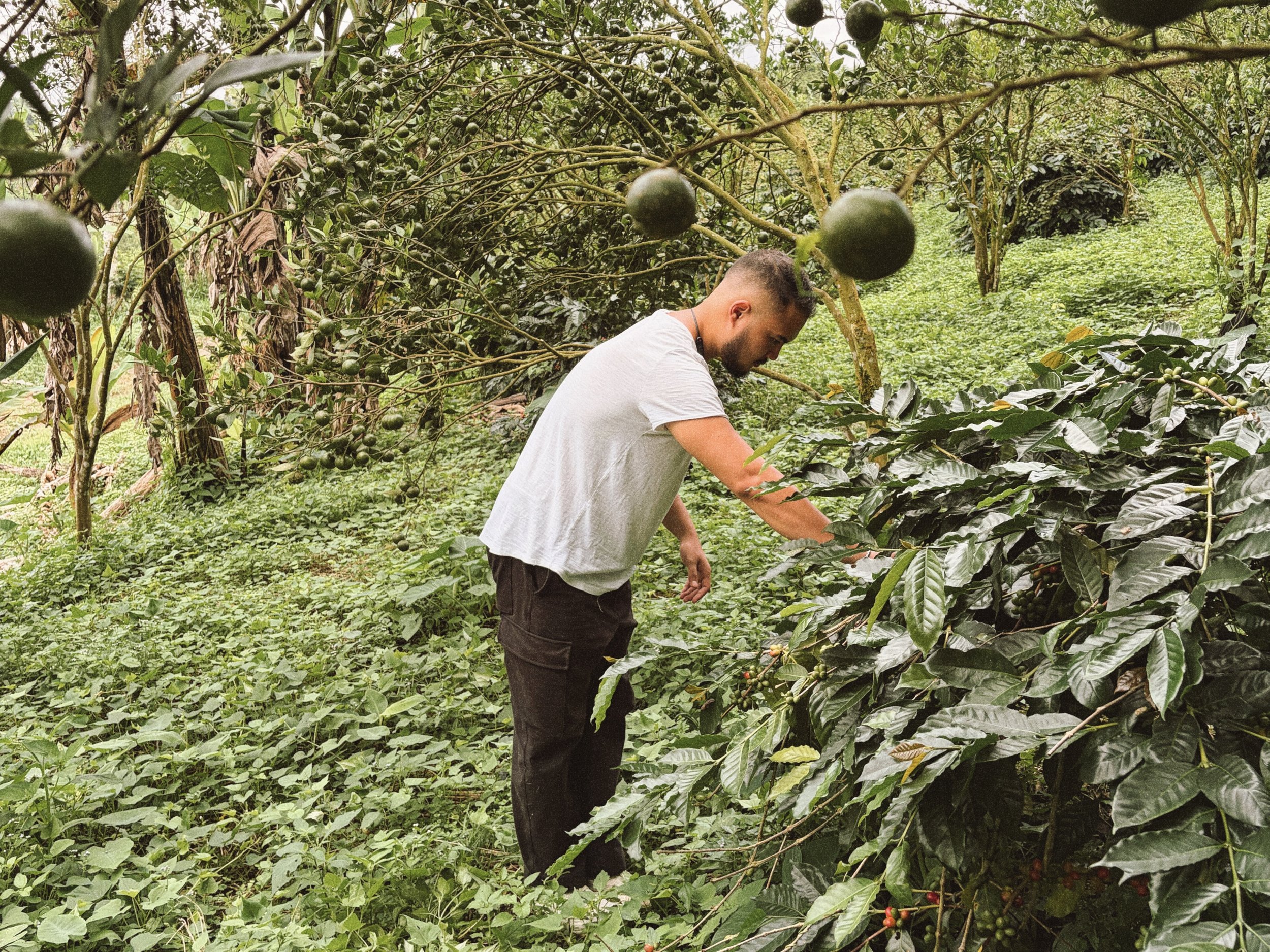
Coffee rarely grows here as a monoculture. Instead, it is commonly cultivated within traditional agroforestry systems where farmers plant coffee beneath shade trees—such as citrus, lemon, avocado, and native forest species. These trees regulate sunlight, protect the soil from erosion, return nutrients through fallen leaves, and sustain the biodiversity that keeps the land fertile for generations.
Across Indonesia’s islands, each coffee landscape reflects a different geological history.
On Java, particularly on the Ijen plateau. volcanic mountain chains have produced deep, stable soils built from centuries of weathered ash. The island holds some of Indonesia’s oldest coffee estates, where fertile volcanic earth supports layered vegetation and shade-grown cultivation that mirrors the structure of natural forest.
On the highlands of Bali, particularly around Kintamani, coffee farms sit on younger volcanic terrain shaped by eruptions from Mount Batur. The soils here are porous and mineral-rich, constantly renewed by volcanic geology. Coffee farms are traditionally organized through Bali’s communal farming philosophy, where crops are grown alongside citrus and shade trees that help maintain soil balance and biodiversity.
On Sumatra, coffee thrives in the volcanic highlands of regions like Gayo, Lintong, and Mandheling. Ancient eruptions and thick layers of organic matter have created exceptionally fertile, loamy soils that support complex agroforestry. Smallholder farmers grow coffee under diverse shade canopies of fruit trees, spices, and forest species, blending it seamlessly into the misty, biodiverse mountain landscapes.
On the rugged mountains of Sulawesi, especially the highlands of Toraja, fertile volcanic soils mix with forest humus and limestone. Coffee farms here are integrated into intricate agroforestry systems where shade trees protect the soil, preserve biodiversity, and sustain productivity across steep, dramatic terrain.
Across these islands, the soil itself tells the story. Volcanic eruptions laid the foundation, forests enriched the earth with organic life, and generations of farmers learned how to cultivate coffee within these living systems rather than apart from them.
We are wanderers devoted to Indonesia’s wandering beans. With traceability as our promise and respect for tradition, we share the story of these landscapes—the volcanic soils, the biodiversity they sustain, and the farmers who continue to care for them.