


SUMATRA
[ SUMATRA's coffee HISTORY ]Dutch traders introduced coffee to Sumatra in the late 1600s, bringing seeds that took root in the island’s volcanic highlands.
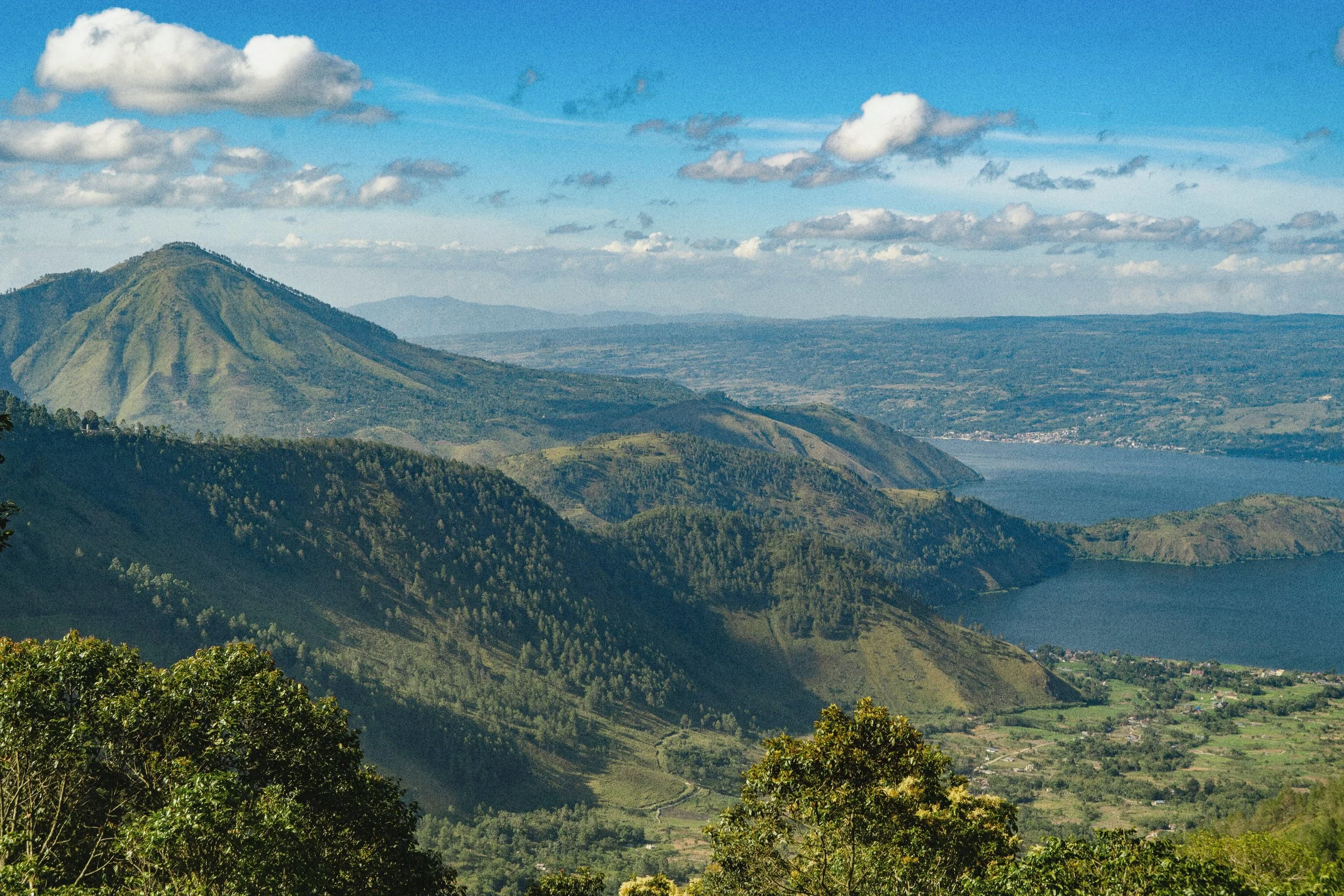
Cultivation took hold in the 1800s, thriving particularly in the volcanic regions around Lake Toba and the Gayo Highlands of Aceh.
These areas offered ideal conditions with rich soils, high elevations, and abundant rainfall.
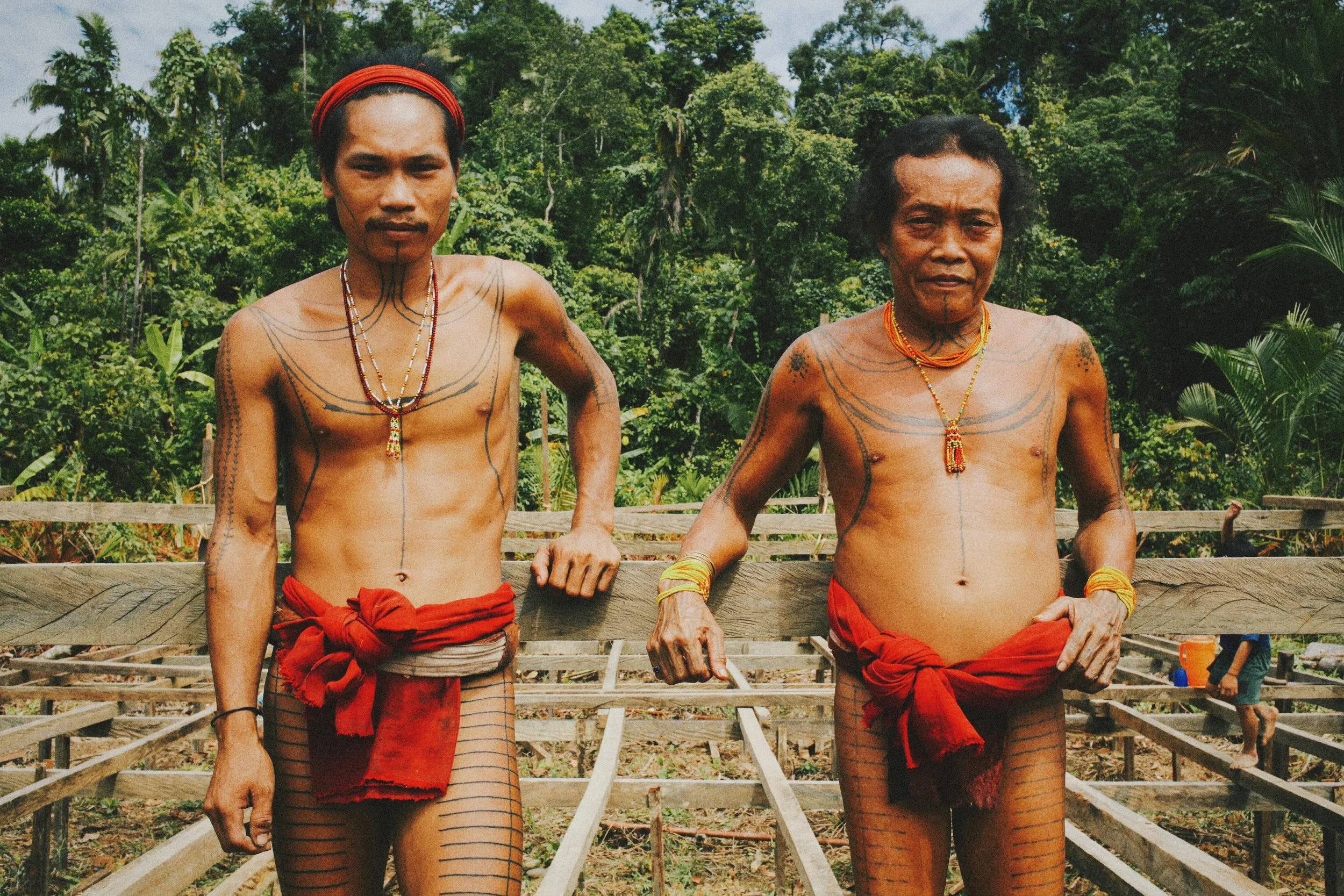
[ orang SUMATRA ]Known for its rich cultural tapestry, Sumatra pulses with traditions from the Batak around Lake Toba to the Gayo people of Aceh.
In the highlands, this reverence shapes coffee cultivation too: small family holdings interplant coffee with shade trees and fruit crops, tended with the meticulous care reserved for ancestral lands, sustaining both soil and tradition across generations.
[ SUMATRAN coffee ]Indonesia stands as a coffee powerhouse, exporting millions of bags annually. Sumatra dominates national production, contributing roughly 70-75% of Indonesia’s total output. While Robusta from southern regions drives much of the volume, the island’s renowned Arabica from Gayo and Mandheling represents its most celebrated specialty contribution.
Like most of the archipelago’s output, Sumatra’s coffee springs from smallholder plots, often blending agroforestry that preserves biodiversity and elevates bean quality. Long after those first seedlings arrived, coffee continues to flourish on Sumatra’s volcanic slopes, lending its distinctive earthy character to the nation’s diverse portfolio.
[ star of origin ]Gayo Arabica

High on the Gayo Plateau in Aceh, encircling areas like Takengon and Lake Tawar, Gayo Arabica cherries mature at 1,200–1,700 meters, where crisp mountain air, abundant rainfall, and mineral-rich volcanic soils slow ripening for exceptional depth and complexity.
Gayo Arabica features local varieties such as Ateng, Timtim, Gayo 1 & 2, and Bourbon lineage. The signature wet-hulling (giling basah) process highlights the terroir, producing its hallmark bold, earthy profiles.
Expect a lively yet grounded cup: citrus and herbal brightness, caramelized brown sugar, dark chocolate, spice, and nutty notes—all wrapped in Sumatra’s volcanic vibrancy and highland harmony.