

SULAWESI
[ SULAWESI'S COFFEE HISTORY ]Mid-19th-century Dutch expansion carried coffee seeds into Sulawesi’s rugged interior, where the misty Toraja highlands offered perfect conditions. By the late 1800s, the crop had taken firm hold, gradually shifting from colonial plots to community-managed family fields.
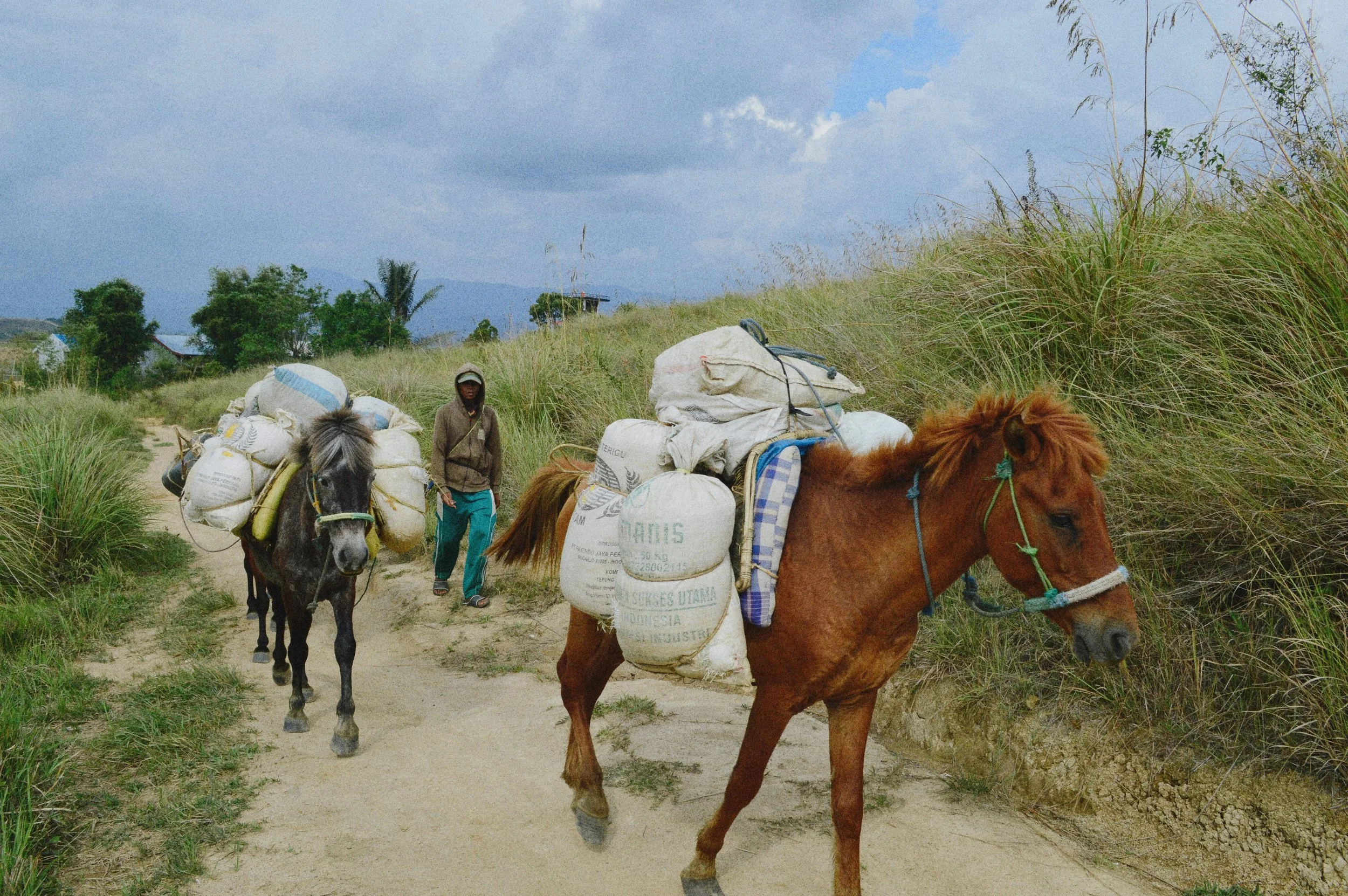
These highland areas, with their fertile volcanic soils and cooler climates, proved exceptionally ideal for high-quality Arabica coffee.
The rugged landscapes of Tana Toraja in particular emerged as a standout region, where the crop thrived under traditional farming practices and later gained renown for its distinctive full-bodied, low-acid profiles.
This expansion reflected broader strategies to boost production across the archipelago, contributing to Sulawesi's enduring legacy in Indonesian coffee today.
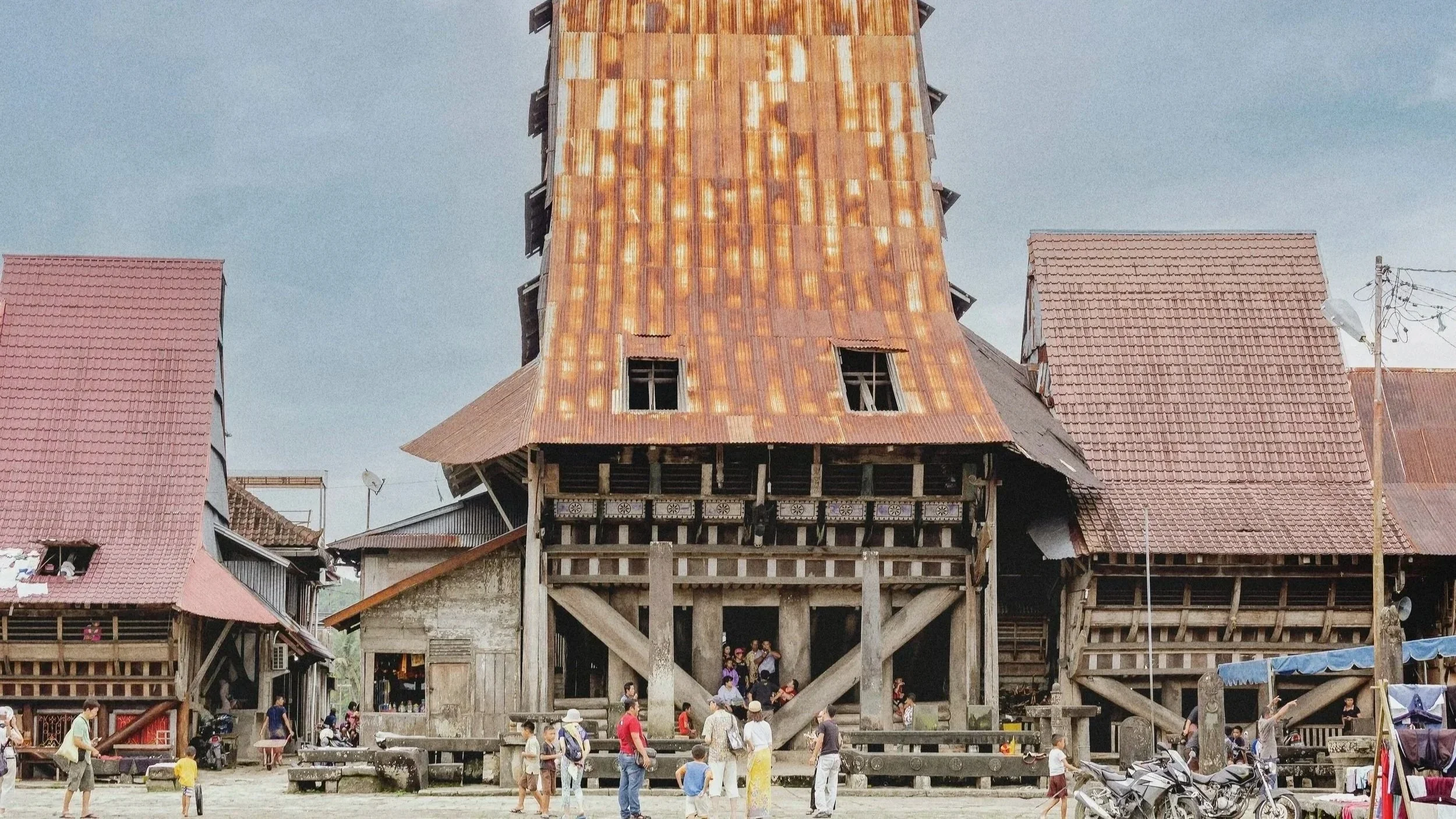
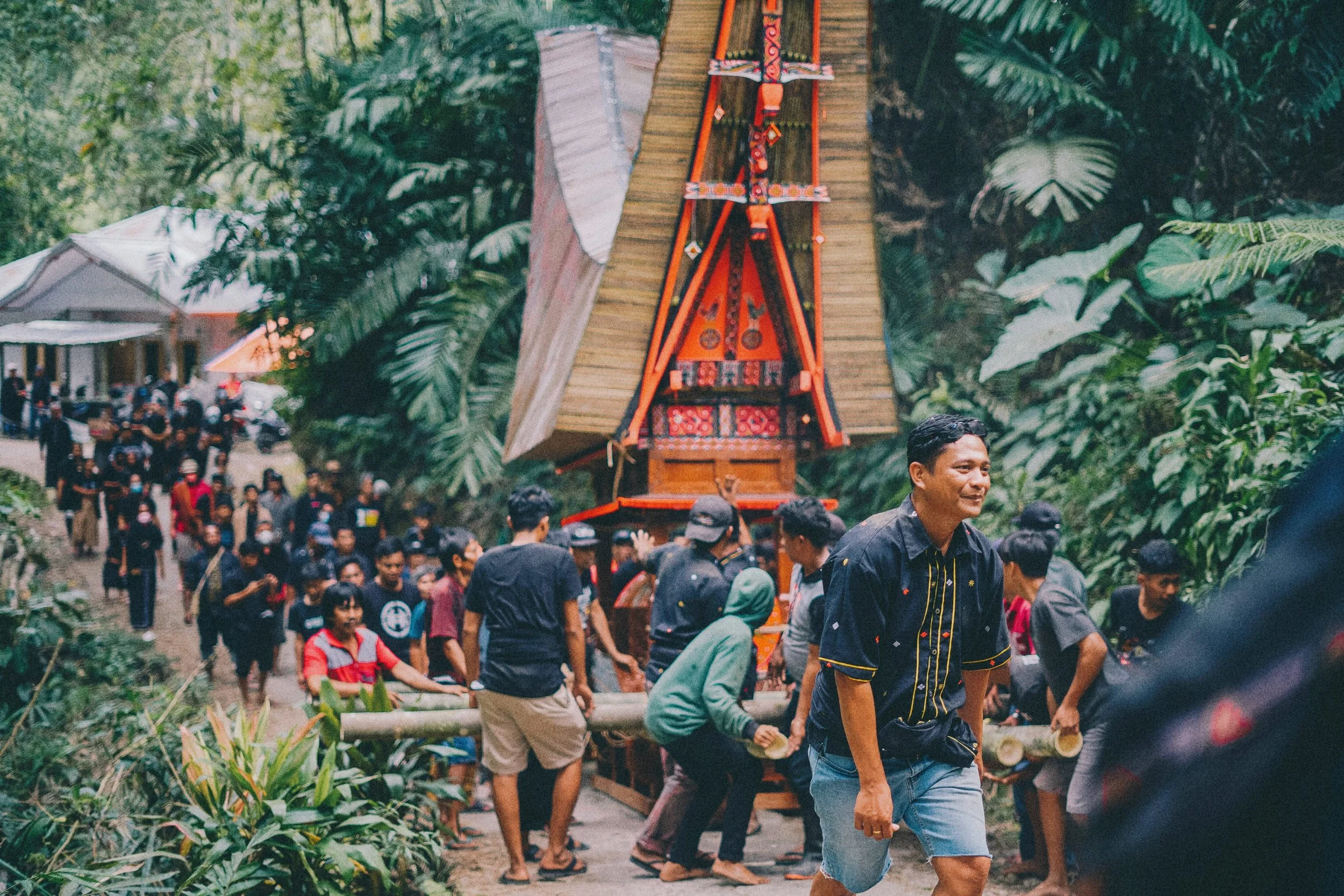
[ ORANG SULAWESI ]The Toraja highlands cradle one of Indonesia’s most vivid cultures—towering ancestral homes, grand Rambu Solo funerals, and profound respect for forebears and communal bonds.
Daily rhythms revolve around ritual, shared labor, and reverence for the dramatic mountains. This ethos extends naturally to coffee: families and neighbors collaborate in the fields, passing expertise across generations while honoring the misty peaks and fertile soil that sustain them.
Farming coffee becomes an act of continuity, aligning livelihood with ancestral harmony.
[ Sulawesi coffee ]As a leading global exporter, Indonesia ships vast quantities yearly, yet Sulawesi carves a niche with its high-quality Arabica—roughly 5–10% of national totals, concentrated in Toraja and nearby elevations.
Smallholders, who produce over 90% of the country’s coffee on compact, mixed-system plots, maintain age-old practices here, safeguarding both ecosystem and bean character. From early Dutch introductions to today’s intergenerational farms, coffee remains integral to Toraja’s enduring identity.
[ star of origin ]Toraja Arabica

Toraja’s highlands, at 1,100–1,800 meters, gift these Arabica cherries a slow maturation in cool mist and volcanic richness.
The traditional Giling Basah method—partial drying before hulling, yields the beans’ signature blue-green tint and profound depth.
The result is a robust, velvety brew: low acidity, generous body, rich dark chocolate, warm spices, subtle earth, and hints of ripe fruit, evoking the quiet power and ceremonial elegance of the Toraja landscape.