

JAVA
[ JAVA'S COFFEE HISTORY ]Coffee arrived on the island of Java at the end of the 17th century, carried across oceans by the Dutch East India Company. In 1696, the first coffee seedlings were brought from the Dutch trading networks in India to the port of Batavia. Floods destroyed the early plants, but a second shipment arrived in 1699 and finally took root in Java’s fertile volcanic soil.
From those few surviving trees, coffee spread quickly across the island’s highlands. By 1711, coffee grown in Java was already being exported to Europe, where it became highly sought after.
For much of the 18th century, Java stood at the center of the global coffee trade, and the island’s name became so closely associated with the drink that “Java” itself became a word for coffee.
Though coffee began under colonial plantation systems, over time it moved beyond estates and into the hands of local farmers. What began as a global trade experiment slowly became woven into the agricultural life of the island.
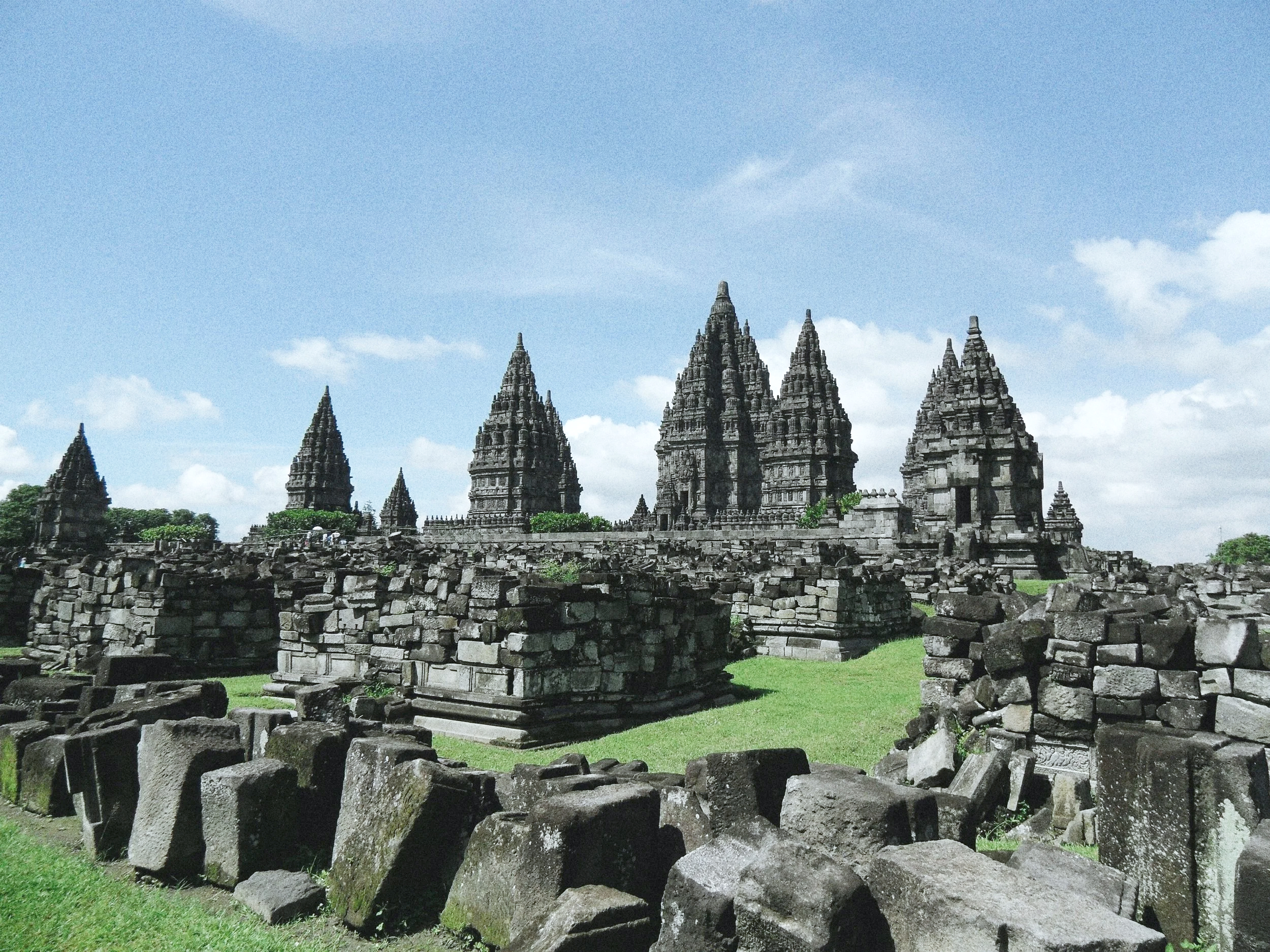
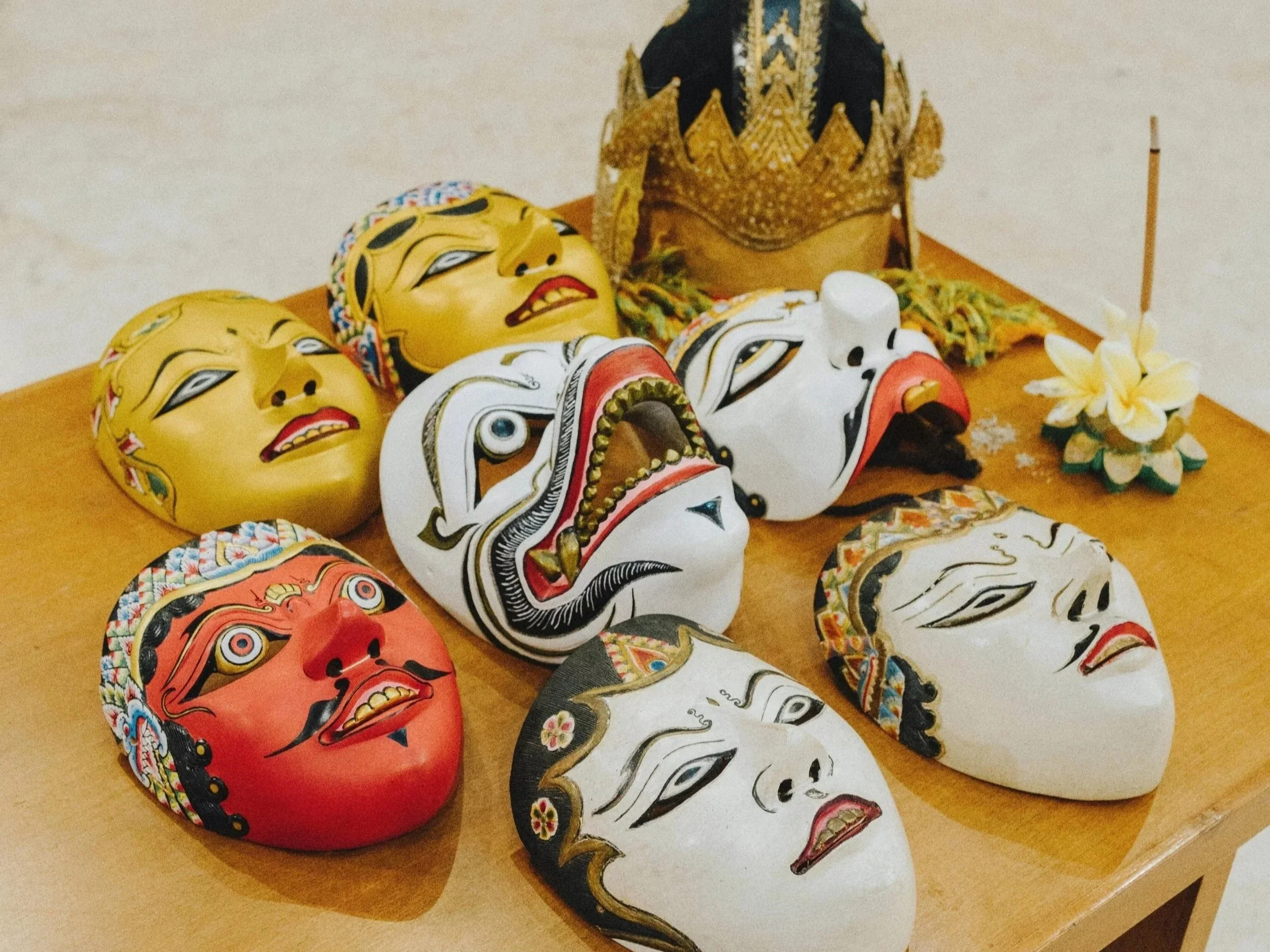
[ orang JAwa ]Java is the cultural and historical heart of Indonesia, home to ancient kingdoms, fertile valleys, and a chain of volcanoes that shape the land. Its landscapes are generous—green rice terraces flowing into forested mountains, villages scattered along rivers and volcanic slopes.
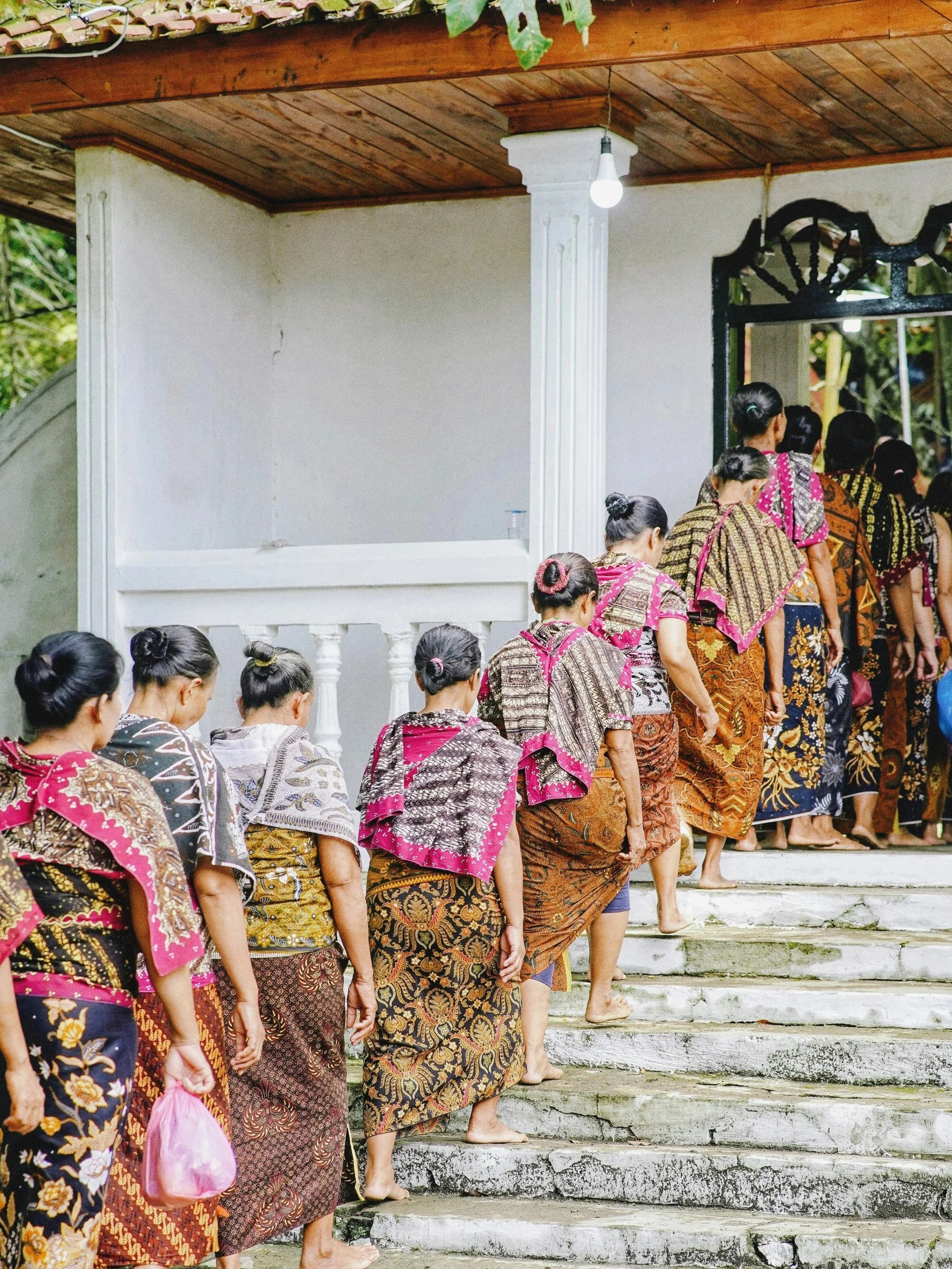
The people of Java have long lived in close relationship with this land. Farming traditions emphasize balance, patience, and harmony between community and nature. Crops are often cultivated together, and the rhythms of agriculture follow the cycles of rain, soil, and season.
In the highlands where coffee grows, these traditions remain visible. Coffee trees are often planted among fruit trees and forest shade, creating living farms rather than single-crop fields. The farmers who care for these trees are quiet artisans of the land—people who work with patience and attentiveness, tending trees year after year with knowledge passed down through generations.
[ Javanese coffee ]Today, Indonesia is one of the world’s largest coffee-producing nations, ranking among the top producers globally. The country produces hundreds of thousands of tons of coffee each year and is a major exporter to markets across Asia, Europe, and North America.
While Sumatra now dominates much of the country’s production, Java remains an important and historic coffee-growing island. Depending on the source and year, Java contributes roughly 10–15% of Indonesia’s total coffee output, grown both on historic estates and on small family farms.
Across Indonesia, the structure of coffee farming has shifted dramatically from the colonial era. Today, more than 90% of the nation’s coffee is produced by smallholder farmers, often on modest plots of land. These farmers cultivate coffee across volcanic mountainsides, often within mixed agroforestry systems where coffee grows alongside fruit trees and forest vegetation.
In Java’s highlands, coffee continues to grow much as it has for centuries—rooted in volcanic soil, shaped by rain and altitude, and tended by farmers who know the land intimately.
More than three hundred years after the first seedlings arrived, coffee still moves quietly through Java’s mountains. From those early trees planted near Batavia to the farms scattered across today’s highlands, the island remains one of the places where coffee’s long global journey first took root beyond its ancient home.
[ star of origin ]Ijen Arabica
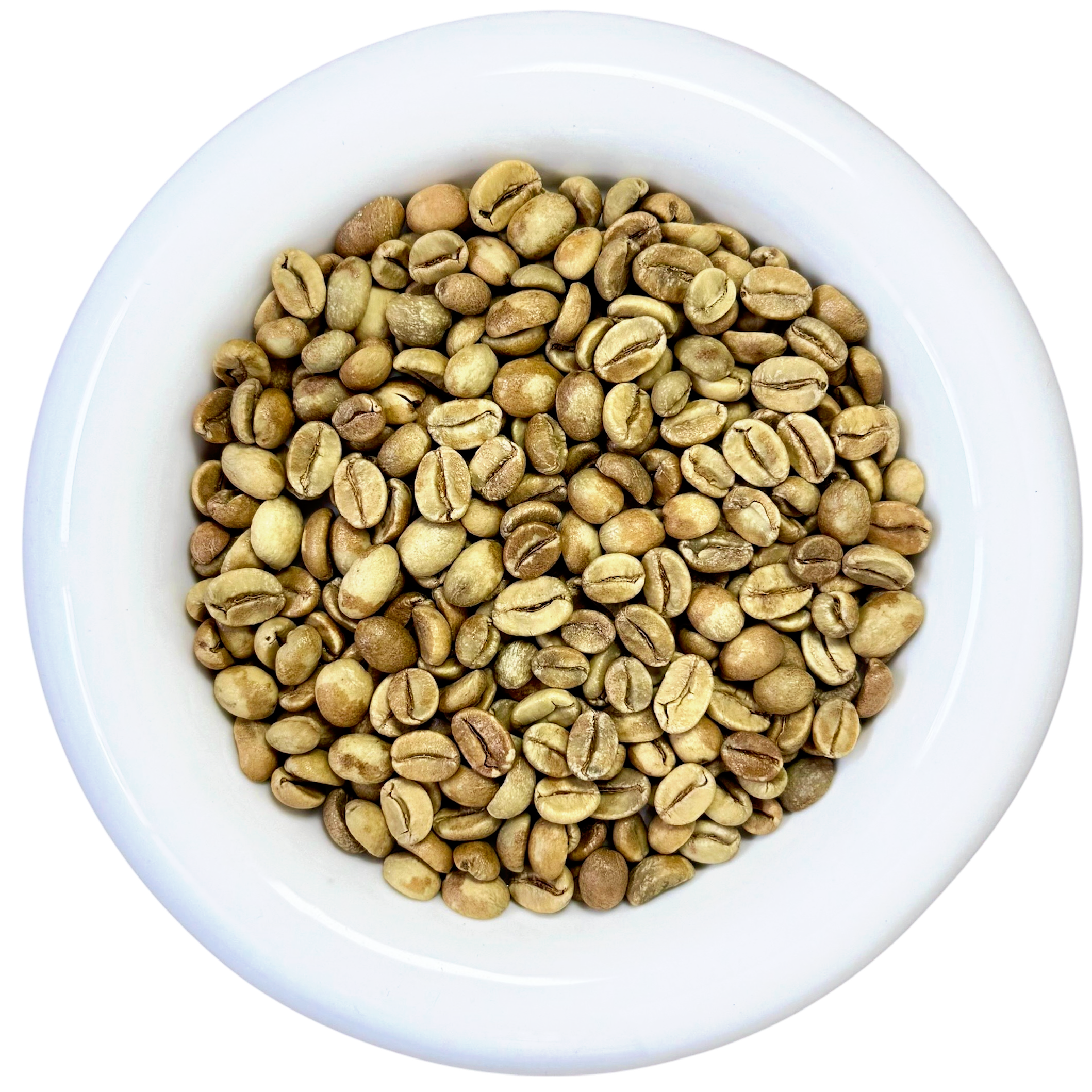
Among Java’s many coffee landscapes, one origin stands out: Ijen Arabica, grown in the highlands surrounding Ijen Volcano in eastern Java.
These coffees grow at 1,200–1,700 meters (up to ~1,800 m in some areas) on the Ijen Plateau, where cool climate and mineral-rich volcanic soil slow cherry ripening for deeper flavor development.
While wet-processed versions remain common, natural-processed Ijen Arabica is now showcased by innovative producers: ripe cherries are dried whole on patios or raised beds for 20–30 days, fermenting naturally in the fruit to create vibrant, intense character with minimal water use. The dried cherries are then hulled to reveal the beans.
In the cup, natural Ijen Arabica offers rich body, low-to-moderate acidity, and pronounced sweetness, with prominent notes of tropical fruits (mango, orange, berry, stone fruit), floral hints (jasmine), cocoa, nuts, soft spice, prune, dried berries, and sometimes winey or herbal undertones.
The result is a lively coffee that beautifully captures Java’s highland terroir and the artisans’ innovative craft.