

BALI
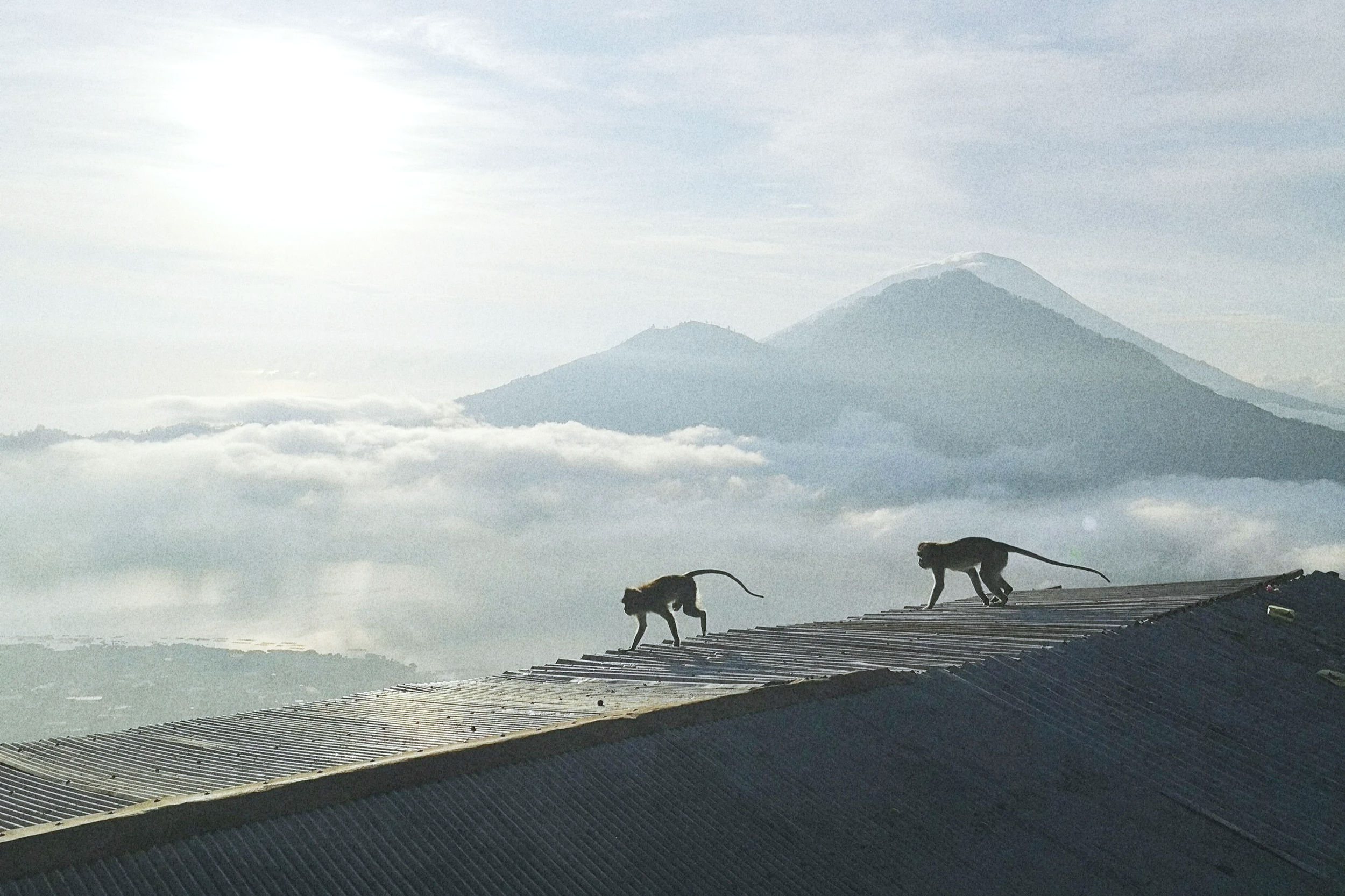
[ Bali's coffee HISTORY ]Dutch traders introduced coffee to Bali in the early 1800s, ferrying seeds from Java’s established groves across the strait to the island’s volcanic uplands. Cultivation took hold by the 1870s, thriving particularly on the cool, fertile flanks of Mount Batur.
Over generations, the crop settled into Kintamani’s landscape, where mineral-rich earth and consistent tropical showers nurtured distinctive Arabica.
Though never a volume giant, Bali’s beans carved out a refined identity. In 2008, Kintamani earned Indonesia’s inaugural Geographic Indication status, affirming its unique terroir on the global map.
A colonial transplant has since rooted deeply into the island’s sacred terrain.
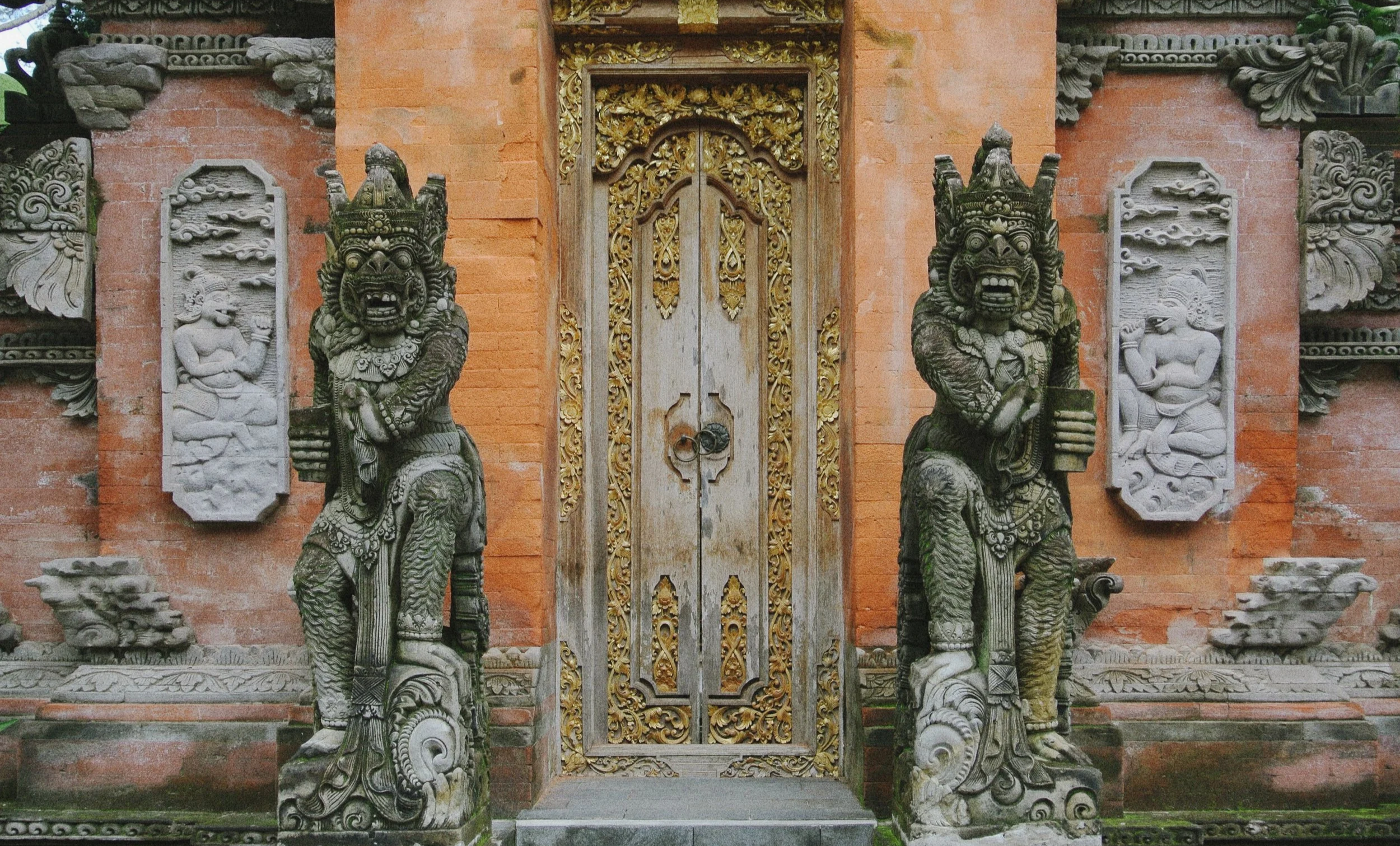
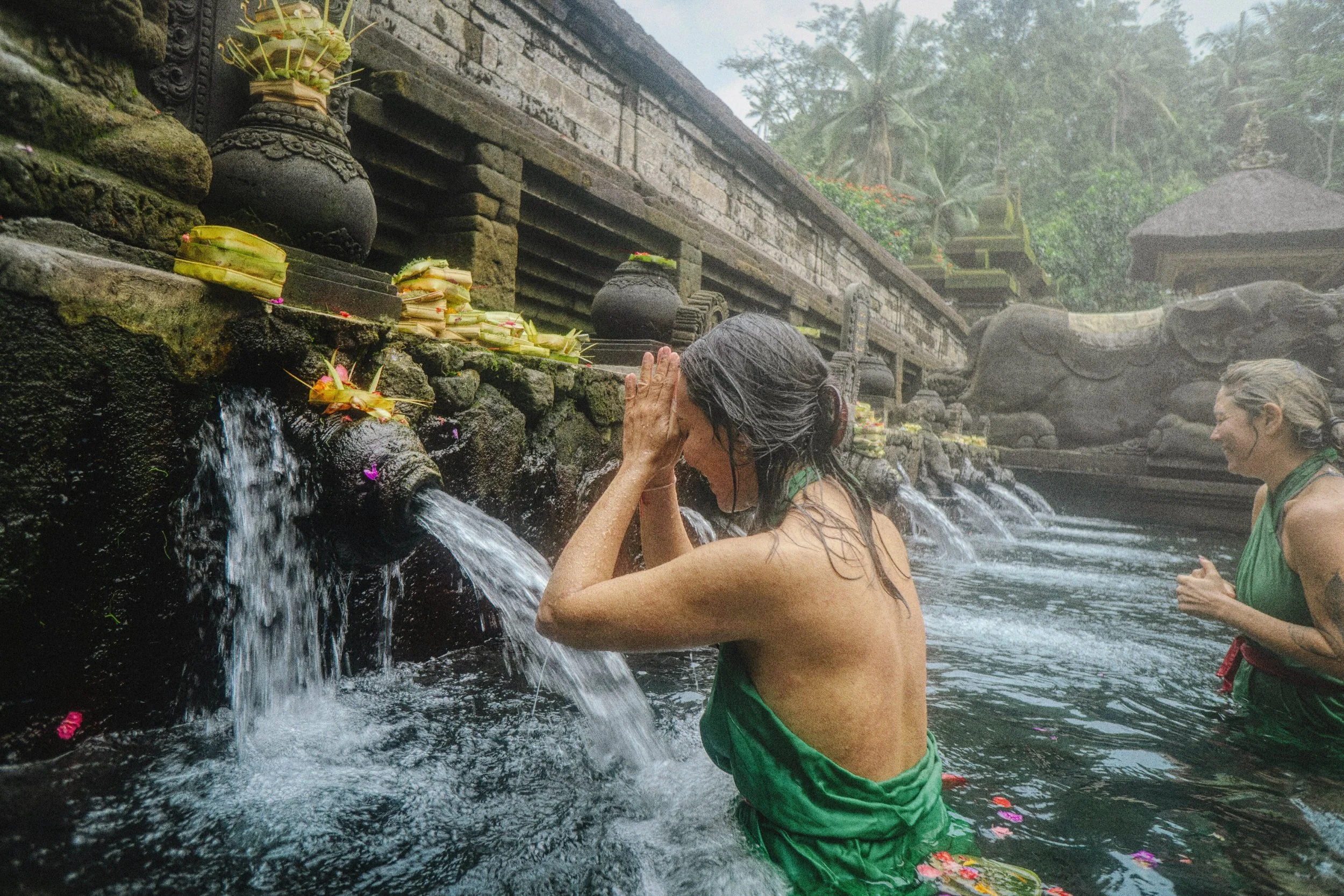
[ orang bali ]Known as the Island of the Gods, Bali pulses with Hindu rituals that infuse every aspect of existence—from dawn offerings of canang sari to the rhythmic ceremonies honoring monsoon and harvest. The UNESCO-recognized Subak system, an ancient cooperative irrigation marvel, sculpts emerald terraces that mirror the Balinese devotion to harmony with nature.
In Kintamani’s highlands, this reverence shapes coffee cultivation too: small family holdings interplant coffee with fruit trees and shade providers, tended with the meticulous care reserved for temple grounds, sustaining both soil and tradition across generations.
[ Baliinese coffee ]Indonesia stands as a coffee powerhouse, exporting millions of bags annually to Asia, Europe, and beyond. While robusta from Sumatra dominates volume, Bali contributes a modest yet celebrated portion—well under 5% overall—focused exclusively on exceptional-quality Arabica from Kintamani.
Like most of the archipelago’s output, Bali’s coffee springs from smallholder plots, often blending agroforestry that preserves biodiversity and elevates bean quality. Long after those first seedlings crossed from Java, coffee continues to flourish on Bali’s volcanic slopes, lending its luminous character to the nation’s diverse portfolio.
[ star of origin ]Kintamani Arabica
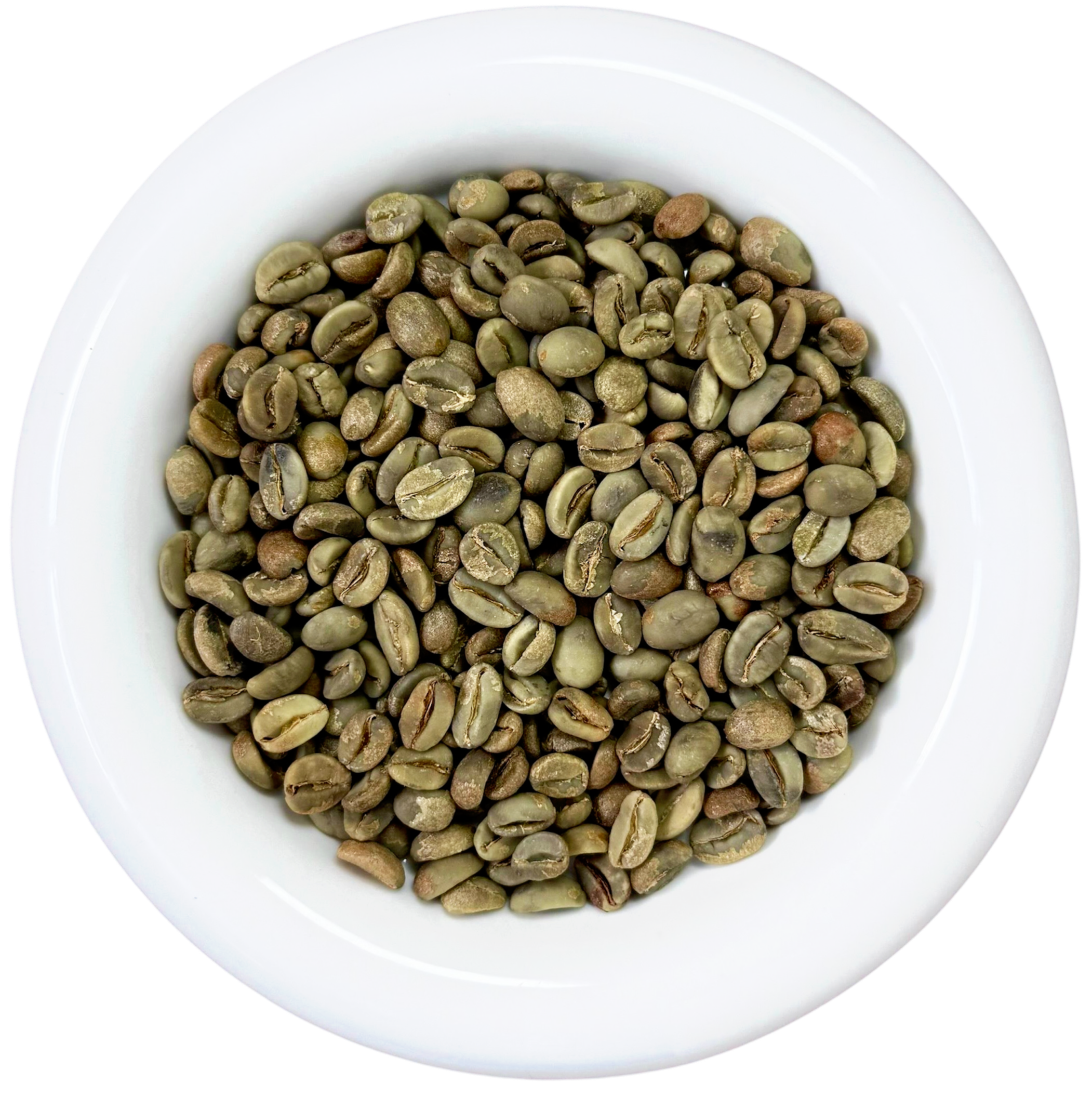
High on the Kintamani Plateau encircling Mount Batur, Kintamani Arabica cherries mature at 1,200–1,700 meters, where crisp mountain air, abundant rainfall, and mineral-rich volcanic soils slow ripening for exceptional clarity, sweetness, and vibrant complexity.
Kintamani Arabica features a mix of varieties like Line S, Bourbon, Typica, and Catimor, contributing to its bright, adaptable profile.
Processing options highlight the terroir: washed for clean brightness, honey for added fruit and sugary depth, and natural for bold, fruity intensity.
Expect a lively cup: citrus brightness (orange, grapefruit, lemon), caramelized brown sugar, nutty toast (hazelnut, walnut), pops of blueberry or tropical fruits (mango, stone fruit), dark chocolate/cocoa, floral notes, and smooth body—all wrapped in Bali’s tropical vibrancy and highland harmony.