
TIMOR
[ TIMOR'S COFFEE HISTORY ]By the mid-19th century, Portuguese colonial efforts introduced coffee to Timor, with cultivation expanding in the highlands during the 1800s.
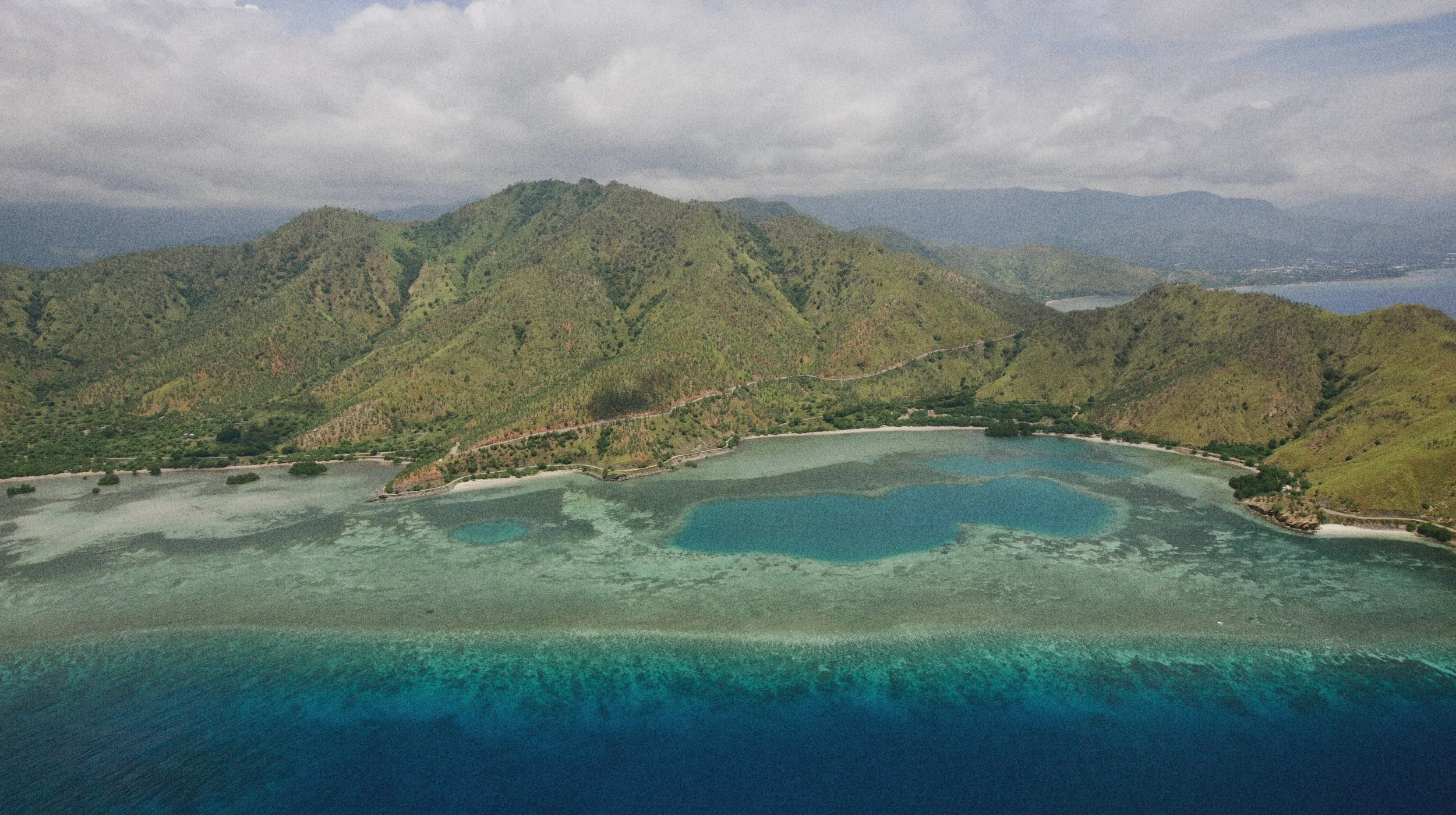
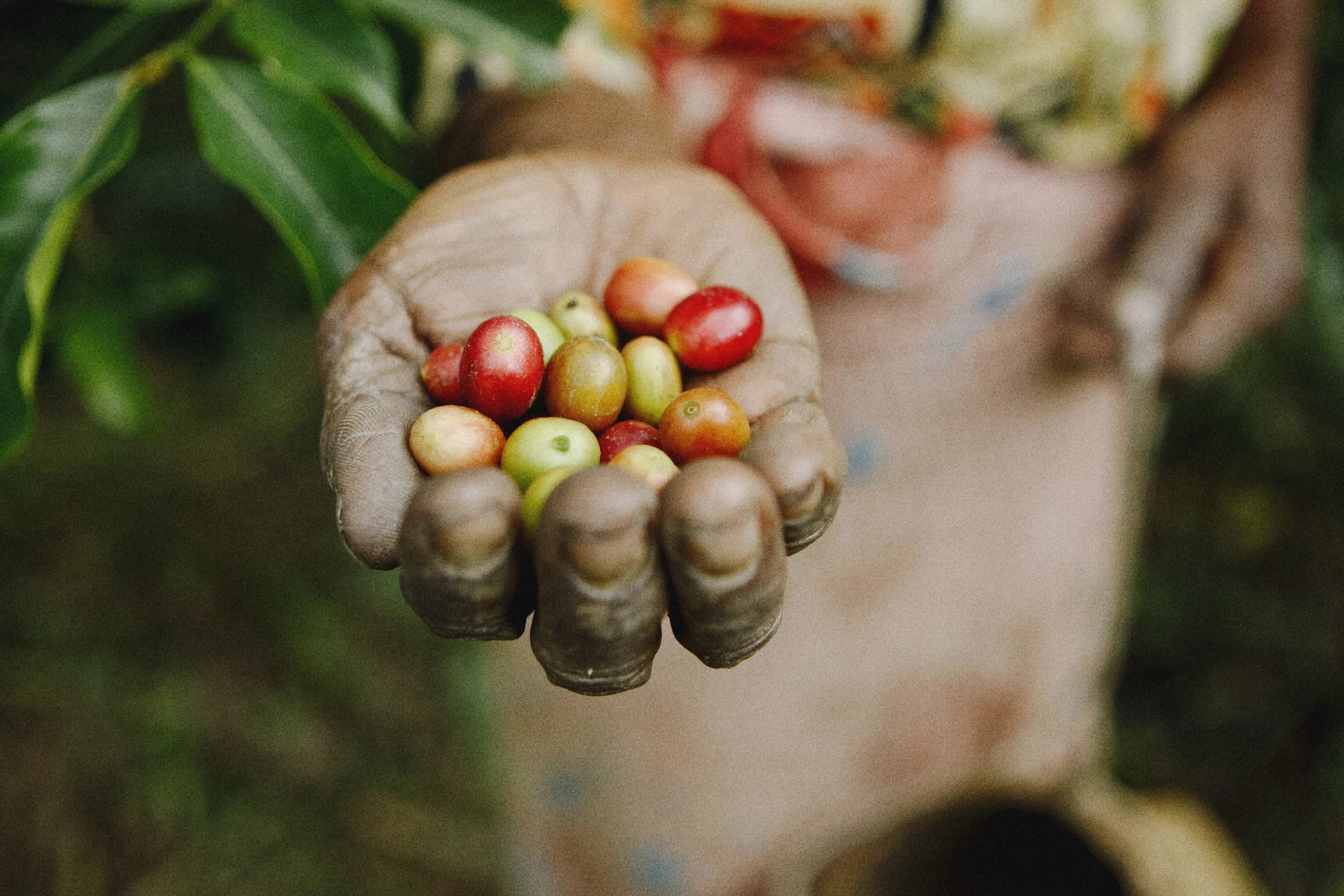
The island’s steep, rain-drenched mountains—particularly in regions like Ermera, Aileu, Ainaro, and Liquiçá—welcomed the trees enthusiastically.
Over time, local Timorese communities fully embraced coffee, integrating it into their traditional farming systems. Timor earned its place as the star of origin for Timor Arabica through the discovery of Hibrido de Timor (Timor Hybrid) — a rare, natural spontaneous cross between Arabica and Robusta that emerged in the 1920s.
This resilient hybrid became a cornerstone of highland agriculture and a global game-changer for breeding disease-resistant varieties.
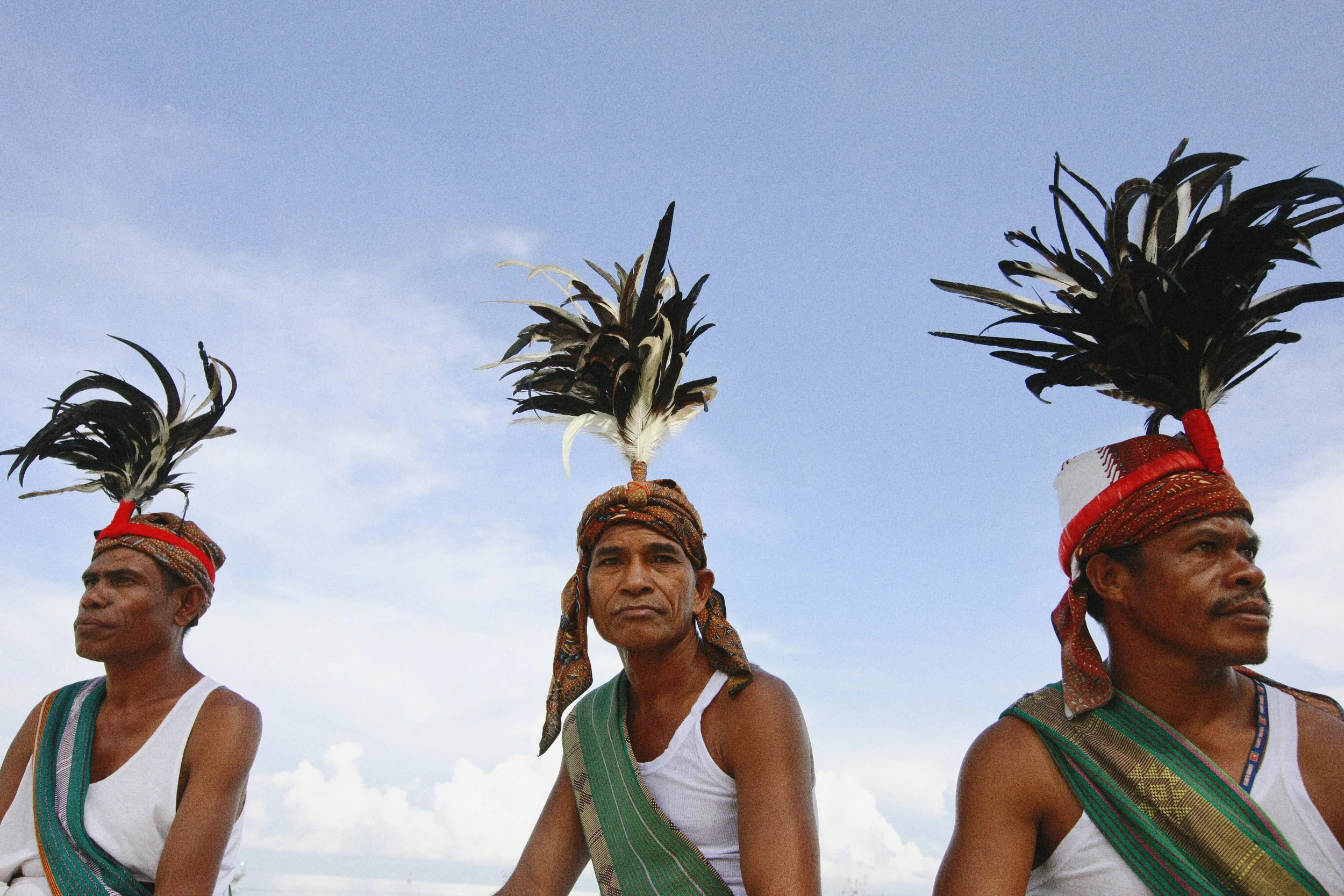
[ orang TIMOR ]Timor’s highlands are home to resilient smallholder communities rooted in cooperation, warm hospitality, and strong cultural values.
Villages nestle in mist-shrouded mountains, where shared effort and respect for the land guide daily life—from subsistence crops to coffee groves. Farmers approach their work with resilience and pride, blending longstanding communal traditions with the steady care that has made coffee vital to their prosperity and identity.
[ TIMOR COFFEE ]Indonesia and Timor-Leste together contribute meaningfully to global coffee, with Timor’s production highlighting quality over sheer volume.
Smallholders oversee nearly all farms in diverse agroforestry setups that blend coffee with shade trees and companion crops like bananas, spices, and native vegetation. These sustainable, often organic-by-default methods endure strongly in Timor’s highlands, supporting both the environment and the beans’ distinctive cup character—from the Portuguese introduction in the 1800s and the birth of the Timor Hybrid to today’s vibrant family holdings.
[ star of origin ]Timor Arabica
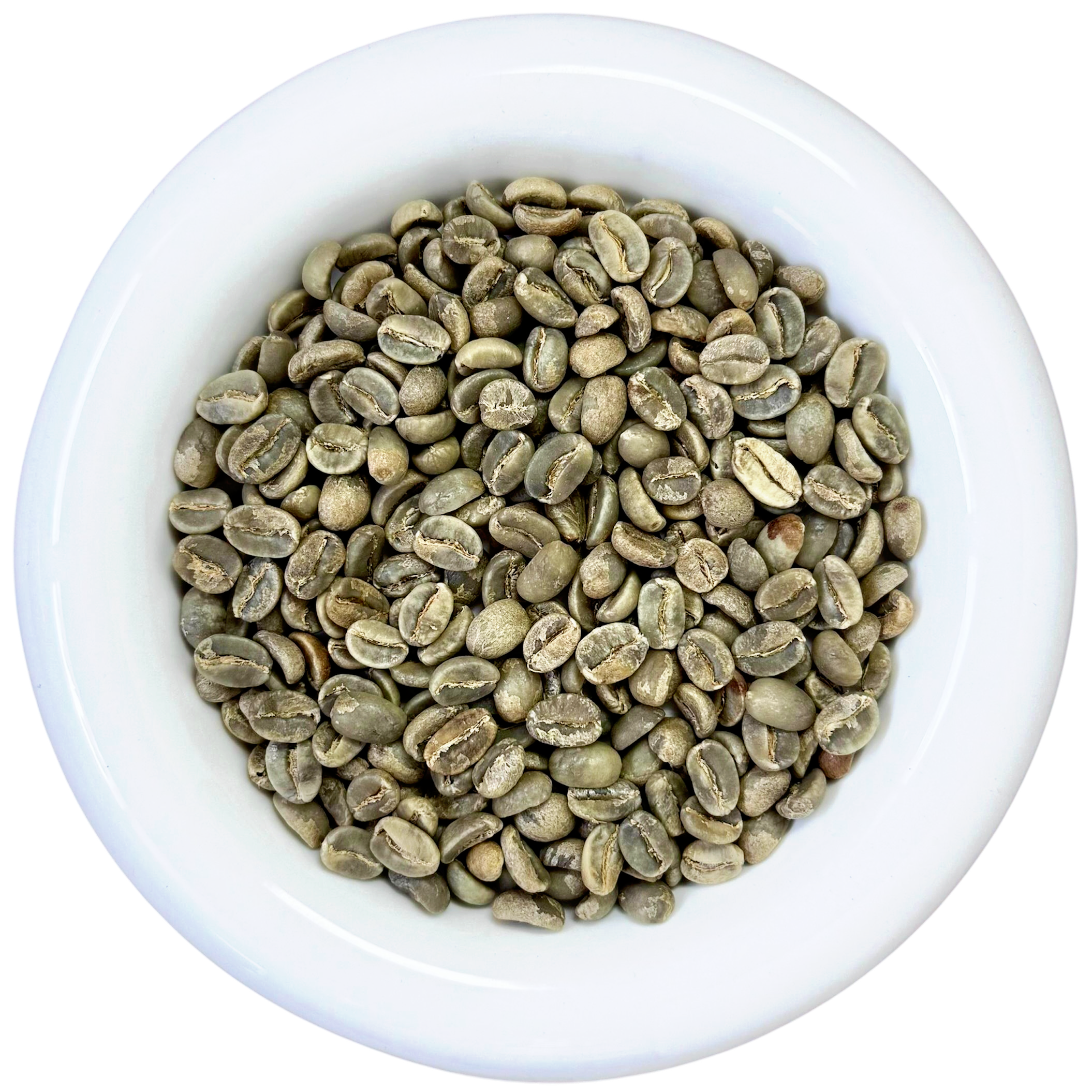
Ermera Arabica comes from the Ermera district, Timor-Leste’s premier coffee region and the source of roughly half the country’s total production. Located in the misty central highlands, Ermera’s steep volcanic slopes and elevations (often 1,300–1,900 meters in areas like Letefoho) create ideal conditions for high-quality Arabica.
The beans from Ermera are prized for their full, creamy body, balanced acidity, and rich sweetness. Typical flavor profiles include notes of dark chocolate, milk chocolate, caramel, brown sugar, almond, and nougat, often layered with red fruit such as cherry, apricot, or plum, and subtle floral or spicy undertones. Grown mainly by smallholders in traditional agroforestry systems, Ermera Arabica frequently features varieties like Typica, Timor Hybrid, Catimor and Sarchimor.
These coffees are usually wet-processed (washed), resulting in a clean, approachable cup that works beautifully as both daily drip/filter coffee and espresso.